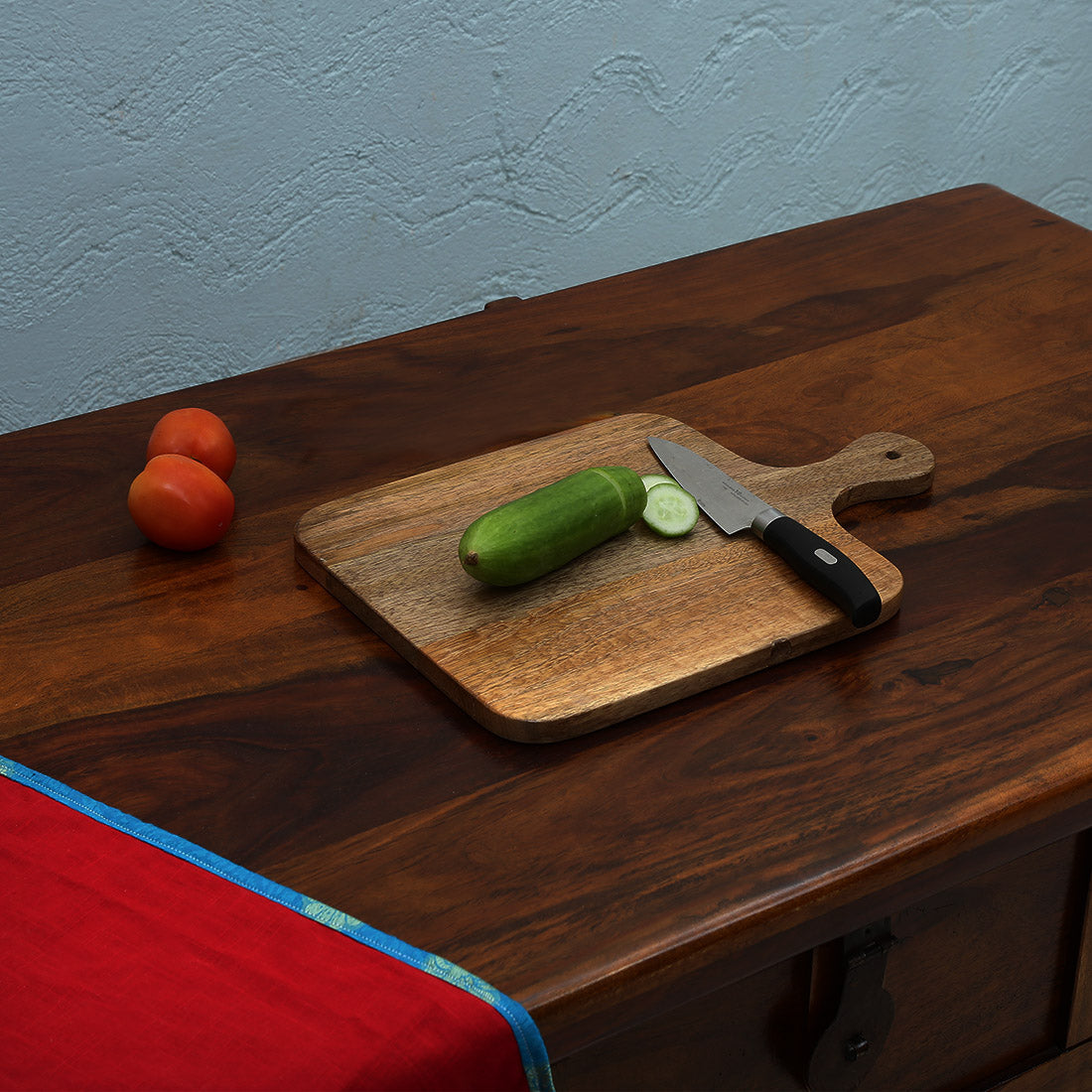
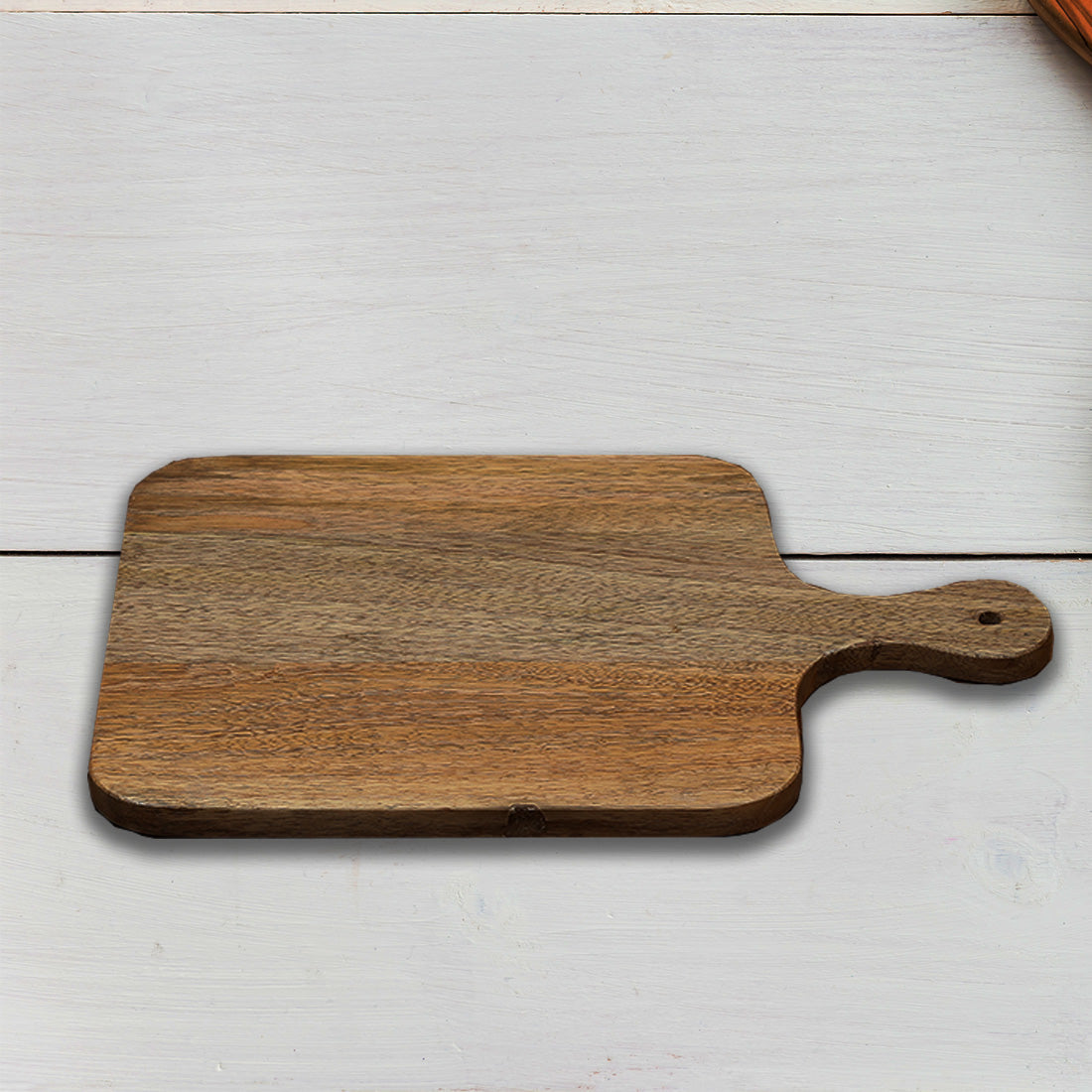
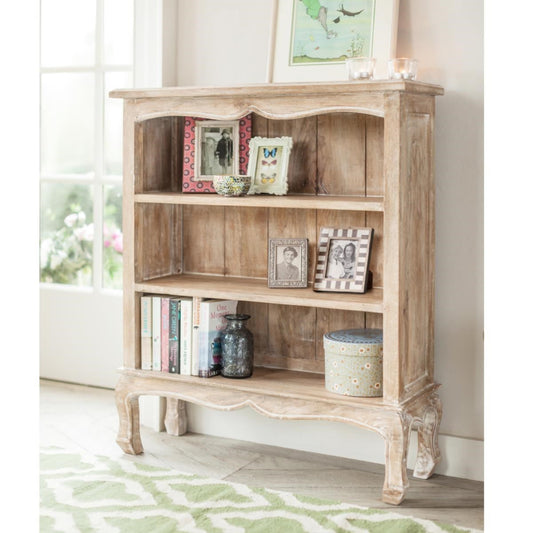
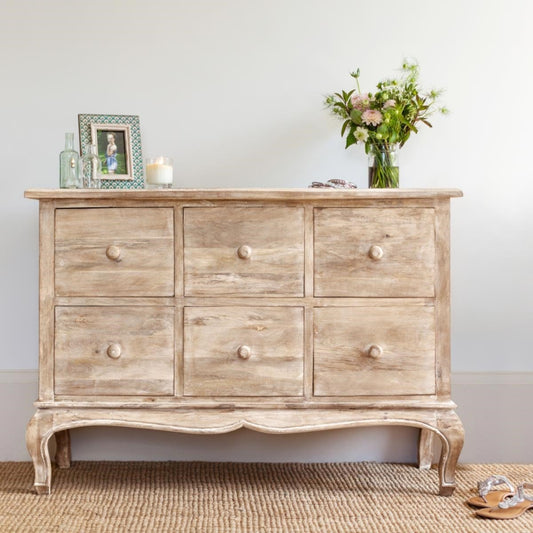
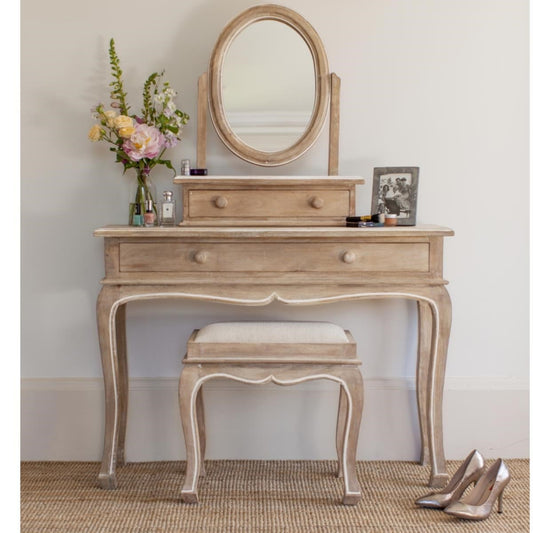
Indian wooden furniture made from sheesham, teak, mango, and acacia woods requires gentle, regular maintenance to preserve its natural beauty and durability, especially when combined with metal accents. These hardwoods are resilient but sensitive to moisture, heat, and direct sunlight, common in Indian climates.
Daily Cleaning
Dust surfaces weekly using a soft, dry microfiber cloth, wiping along the wood grain to avoid scratches. For light grime, use a slightly damp cloth with mild soap and water, then immediately dry thoroughly to prevent water spots. Avoid harsh chemicals, ammonia, or silicone-based cleaners that strip natural oils.
Spill and Stain Care
Blot spills instantly with an absorbent cloth—never rub—to limit absorption into the wood. For water marks, apply a 1:1 mix of white vinegar and olive oil, rubbing gently in circles; tougher stains may need fine (#0000) steel wool with lemon oil. Always use coasters, mats, and placemats on tables to protect against rings from hot or wet items.
Humidity Control
Maintain indoor humidity at 40-50% using a humidifier in dry winters or dehumidifier in monsoons, as these woods expand, contract, crack, or warp with extremes. Keep furniture away from AC vents, heaters, radiators, fireplaces, and direct sunlight to prevent fading, drying, or mold. Ideal room temperature is steady, around 20-25°C.
Placement Tips
Position away from walls (at least 5-10 cm gap) for airflow and to avoid moisture buildup. Distribute weight evenly on shelves or tops to protect joints; lift—don't drag—when moving to safeguard legs and metal connections. Use felt gliders under legs to prevent floor scratches.
Polishing Schedule
Polish every 3-6 months with high-quality, beeswax-based wood polish applied sparingly with a soft cloth, buffing to a shine. For metal parts (brass, iron), dust with a dry cloth and apply metal-specific wax if tarnished; avoid wood polish on metal. Inspect joints seasonally and tighten screws as needed.
Pest Prevention
In termite-prone areas, apply natural neem oil annually and store outdoors pieces covered. Avoid damp basements or balconies for indoor furniture